The river that made a wine. And the wine that built a valley.
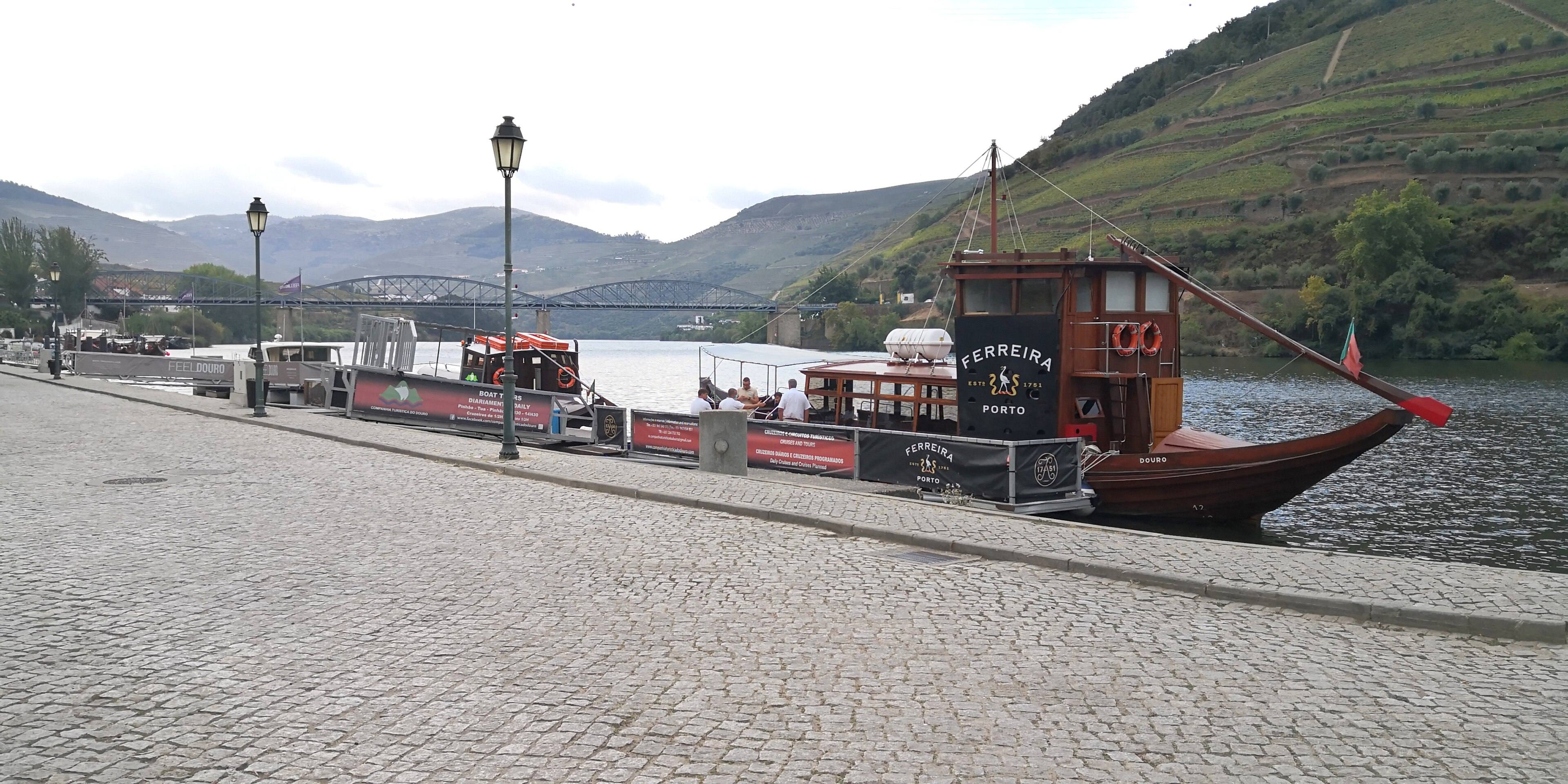
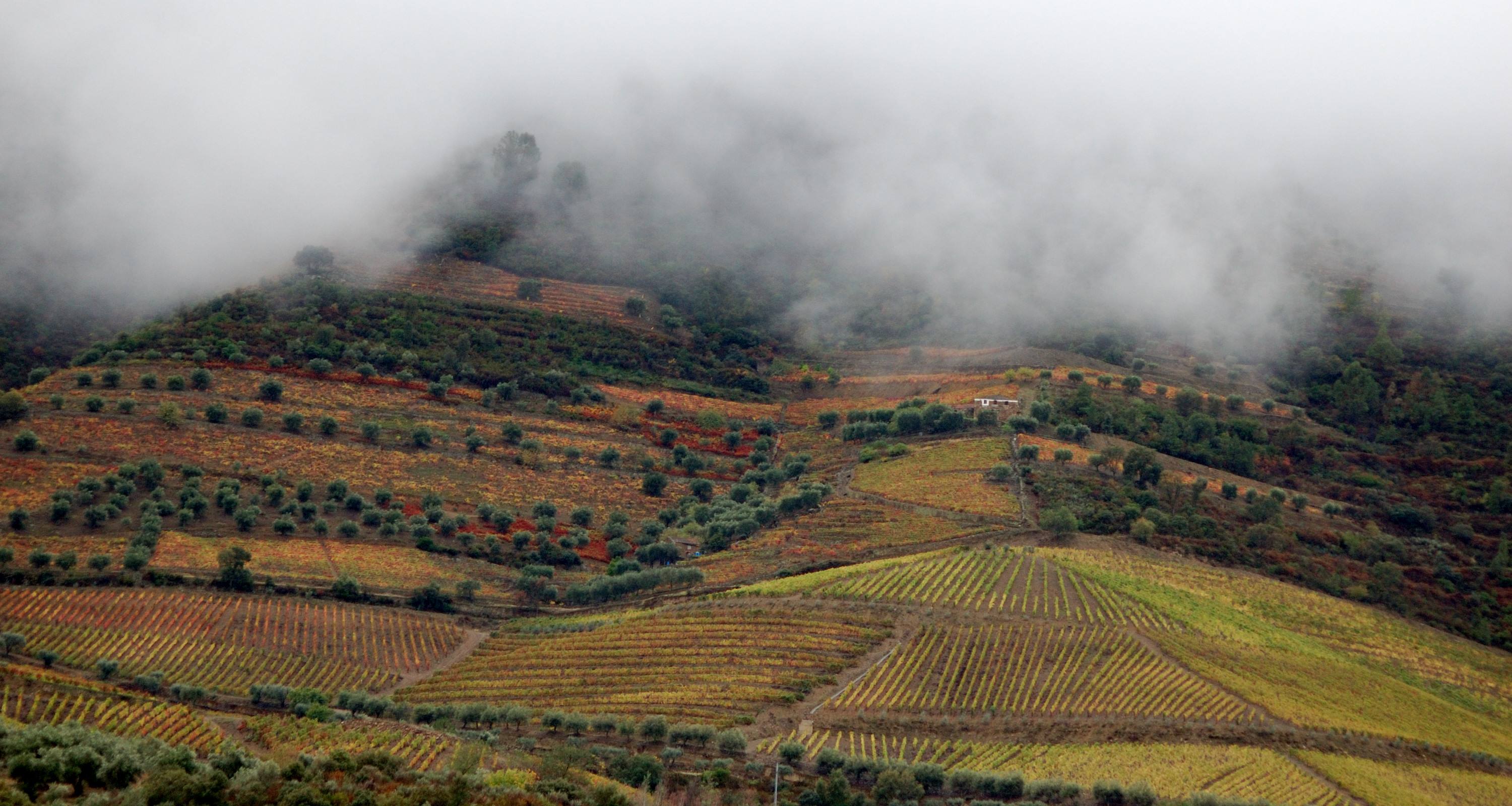
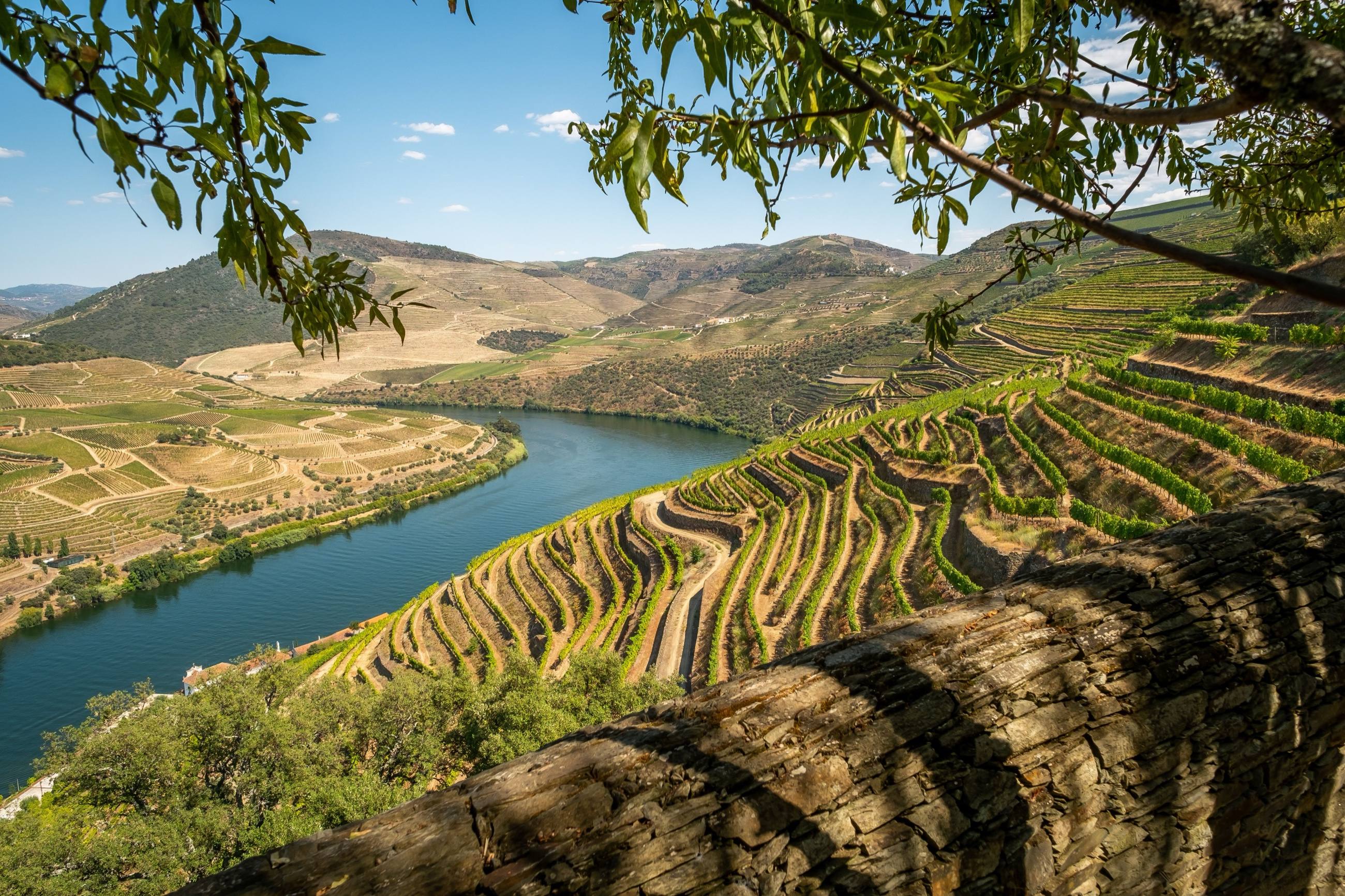
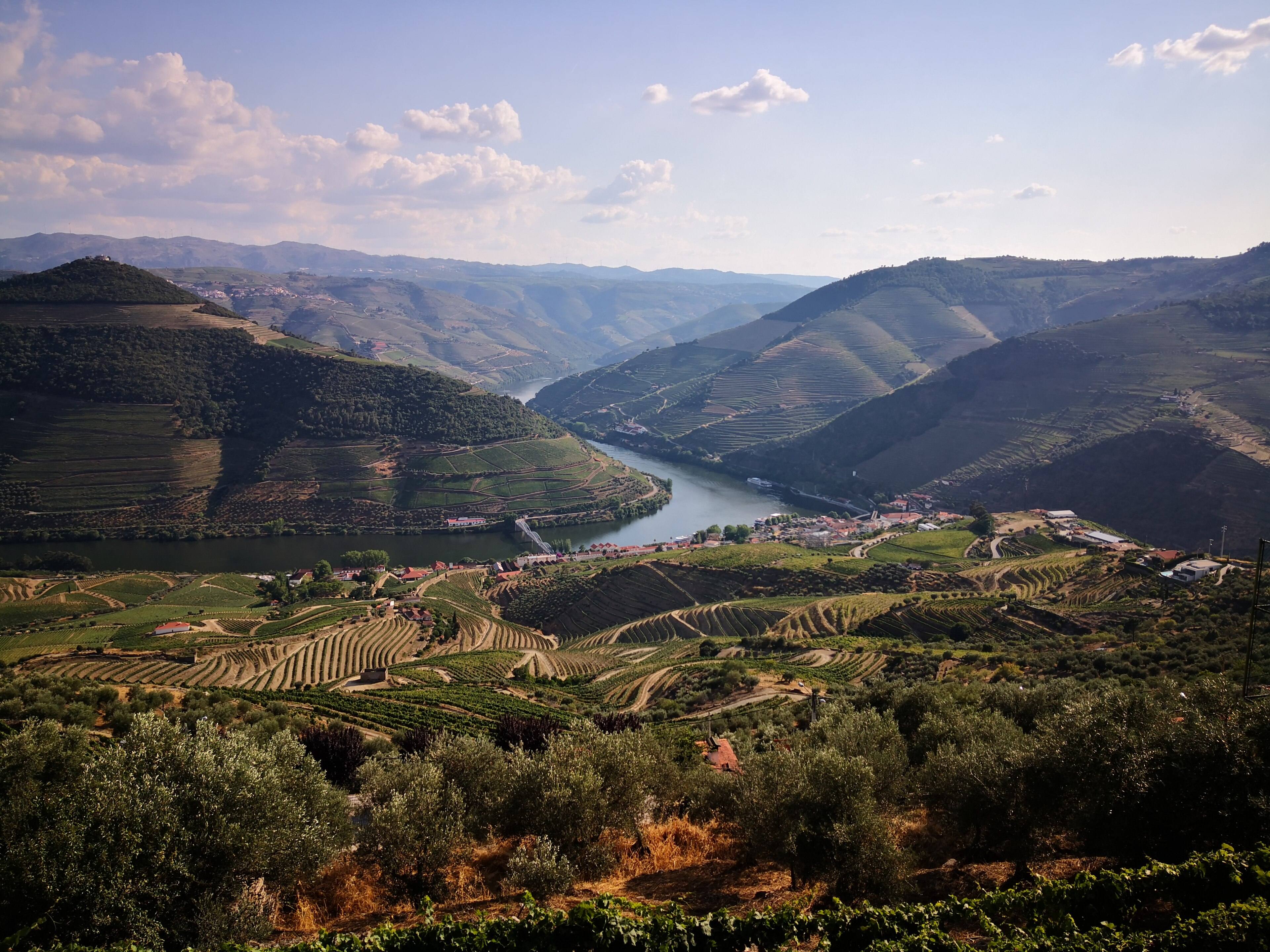
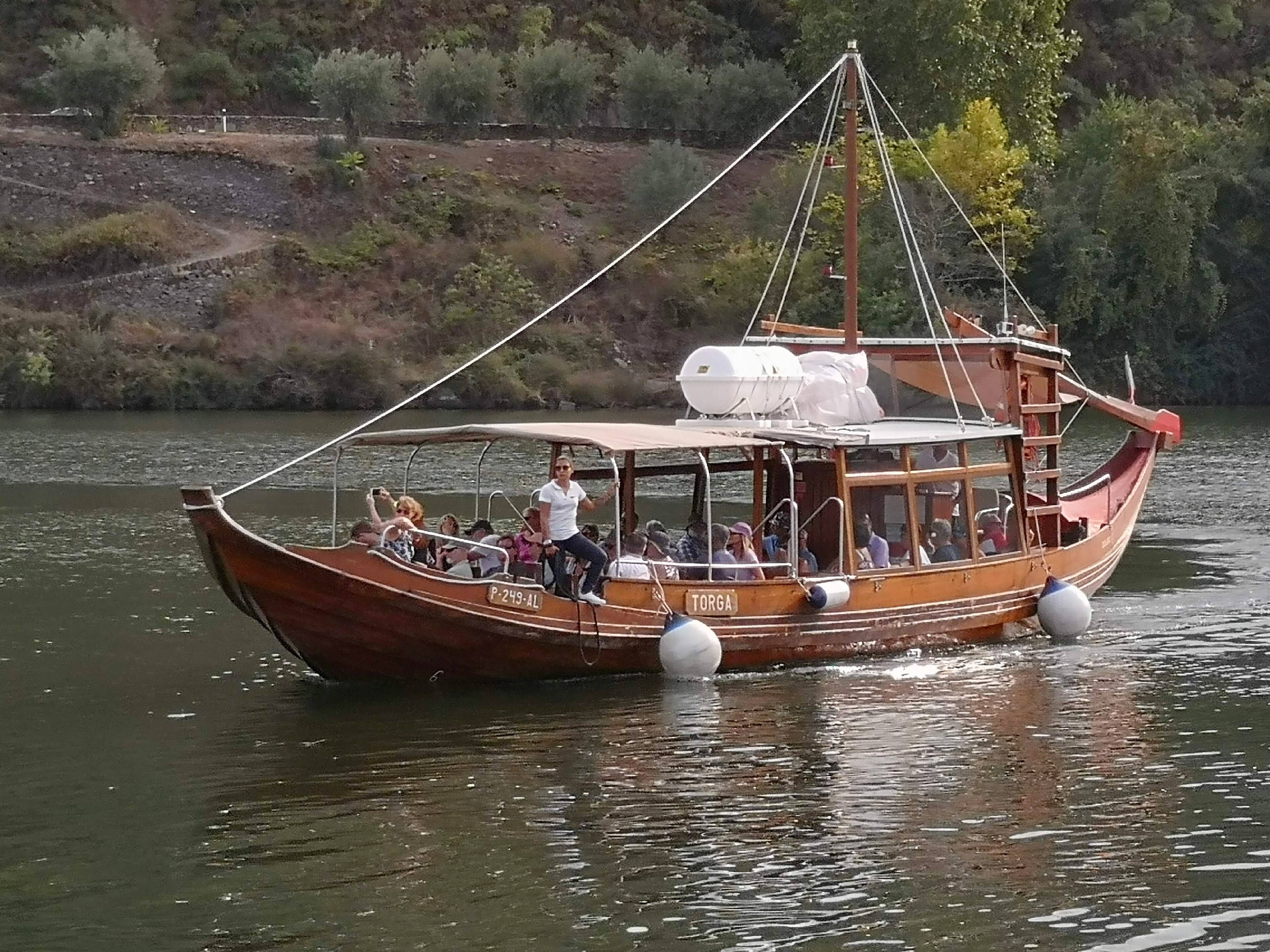
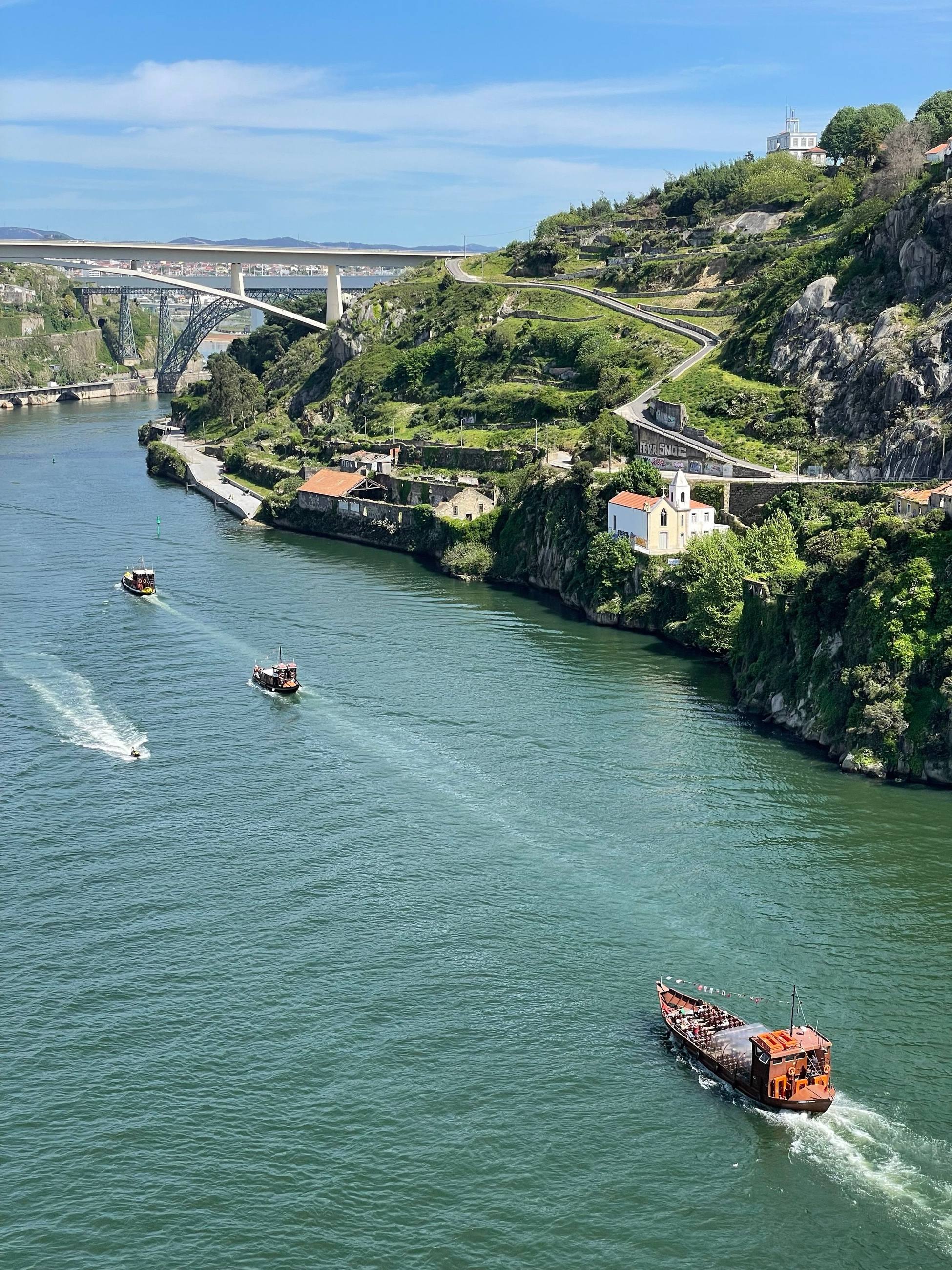
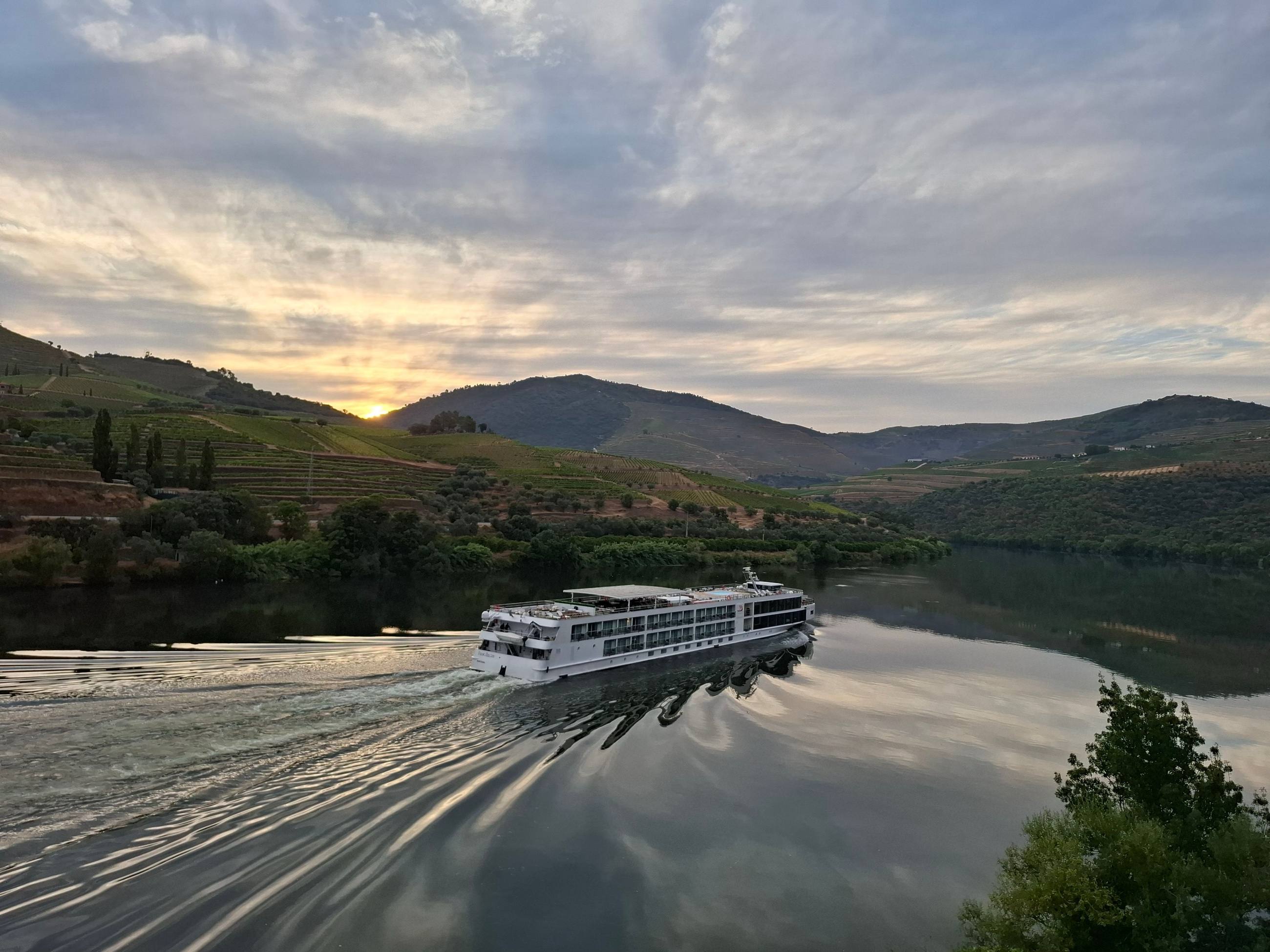
For two centuries, rabelo boats carried port down the Douro to the cellars of Gaia. The terraces they left behind became the first demarcated wine region in the world.
Today you can follow the same water by train, by boat or by road, and taste where the wine is made. This guide helps you choose how, with prices and timetables checked and dated, from someone who lives an hour and a half from Pinhão.
With two days, I sleep in one of the wine barrels at Quinta da Pacheca, taste their reds and ports, and have dinner at Castas e Pratos by Régua station. The next morning I take the boat upriver from Régua to Pinhão. With one day, I skip the night and keep the boat.
Eight people in a van, or your own driver, and family quintas where the person pouring often made the wine. The landscape is the same; the conversation is not.
Check: which producers, and whether the boat is private.
“See live options” opens GetYourGuide. Affiliate links: you pay the same price.
01—16 · Régua to Tua
The valley, bend by bend.
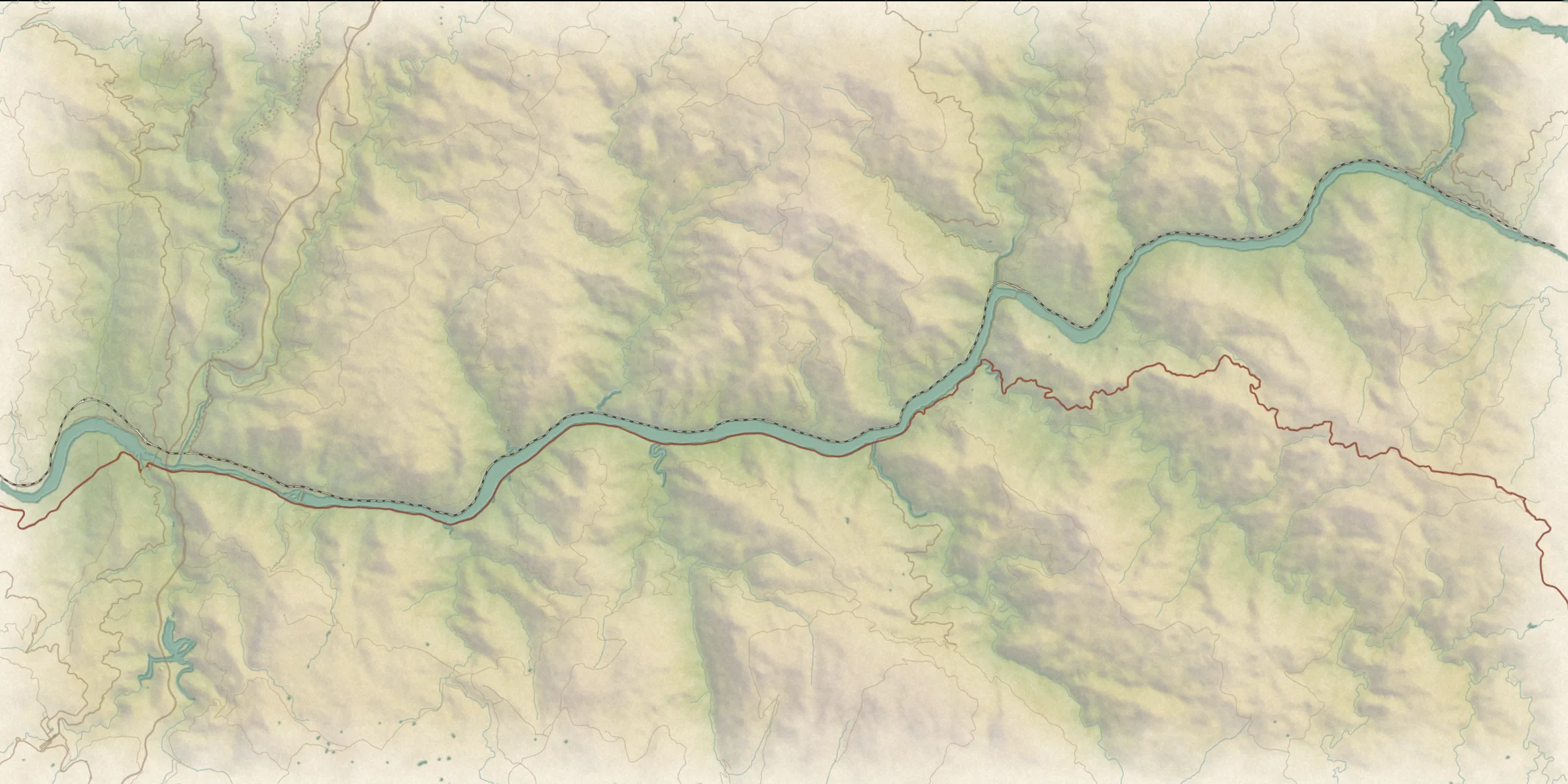
Thirty-five kilometres of river where most visitors spend their days: quintas, viewpoints, boats and stations, painted on a watercolour map drawn from open geographic data.
Douro AtlasThe Douro, mapped
Railway
N222
Quinta
Viewpoint
Town
North is up. River, roads and places follow OpenStreetMap; the watercolour is decorative.
10
Town
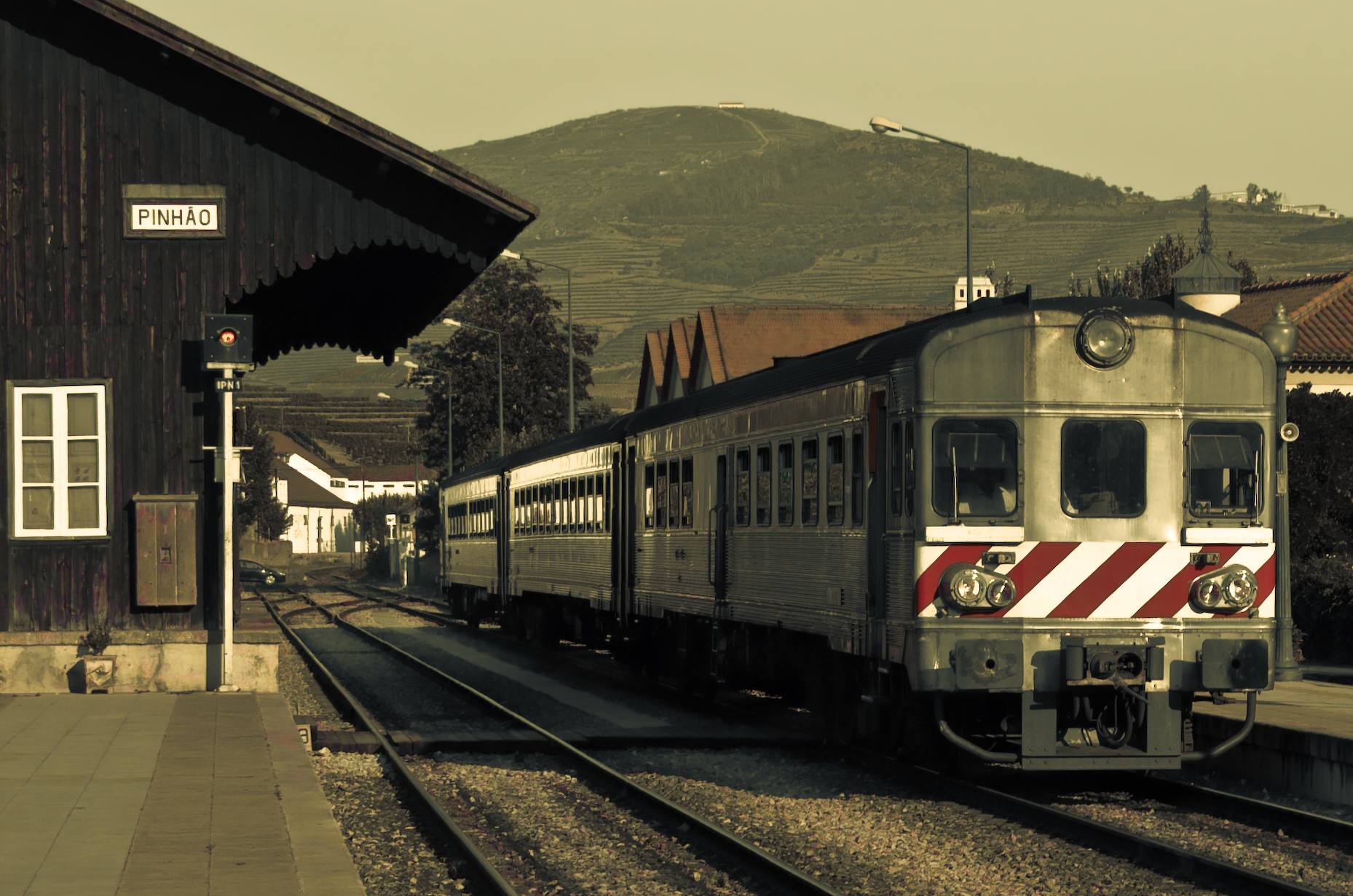
Pinhão
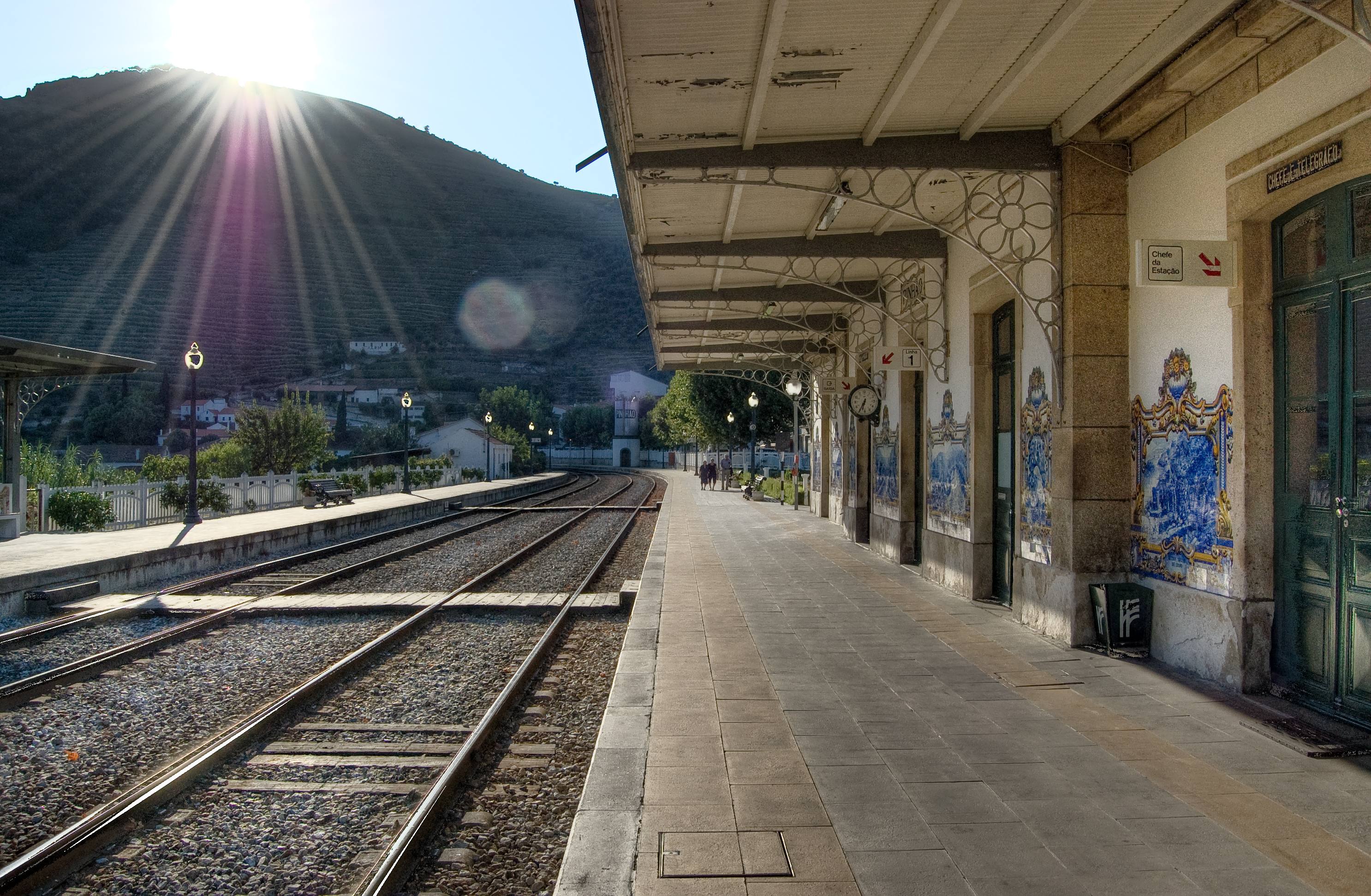
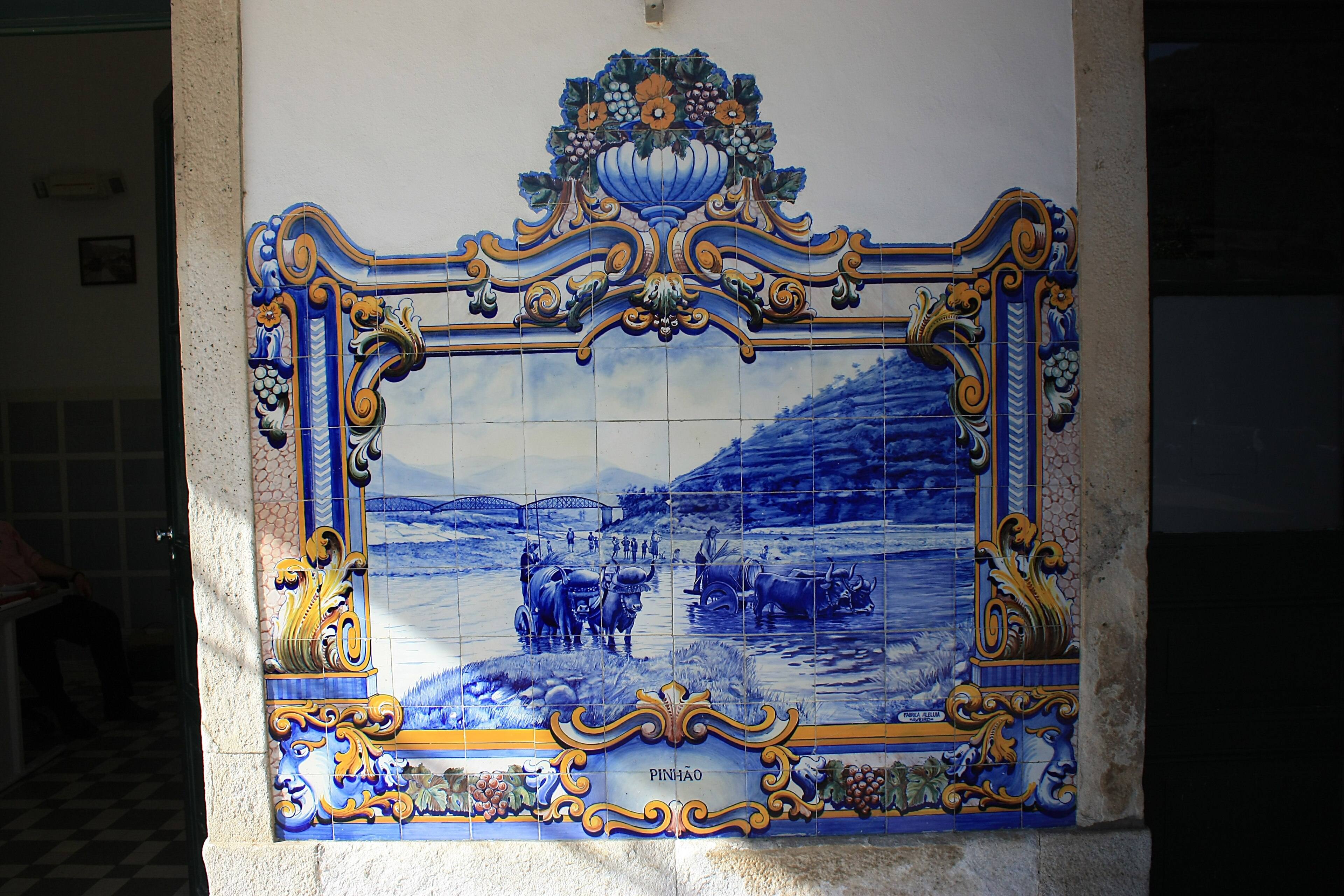
The village to stay in without a car: the tiled 1937 station, boats from the quay and three quintas within walking distance.
One night changes the trip: the river at sunset, a third quinta, and a dinner where nobody has to drive.
Without a car, stay in Pinhão, a walk from the station, the boats and three quintas. With a car and two nights, stay on a quinta in the vineyards. Régua is for early trains and smaller budgets.
The valley floor is far hotter than Porto. These are the official averages for Régua, on the river. In July and August, walk to the viewpoints before 10am and keep the middle of the day for lunch and the boat.
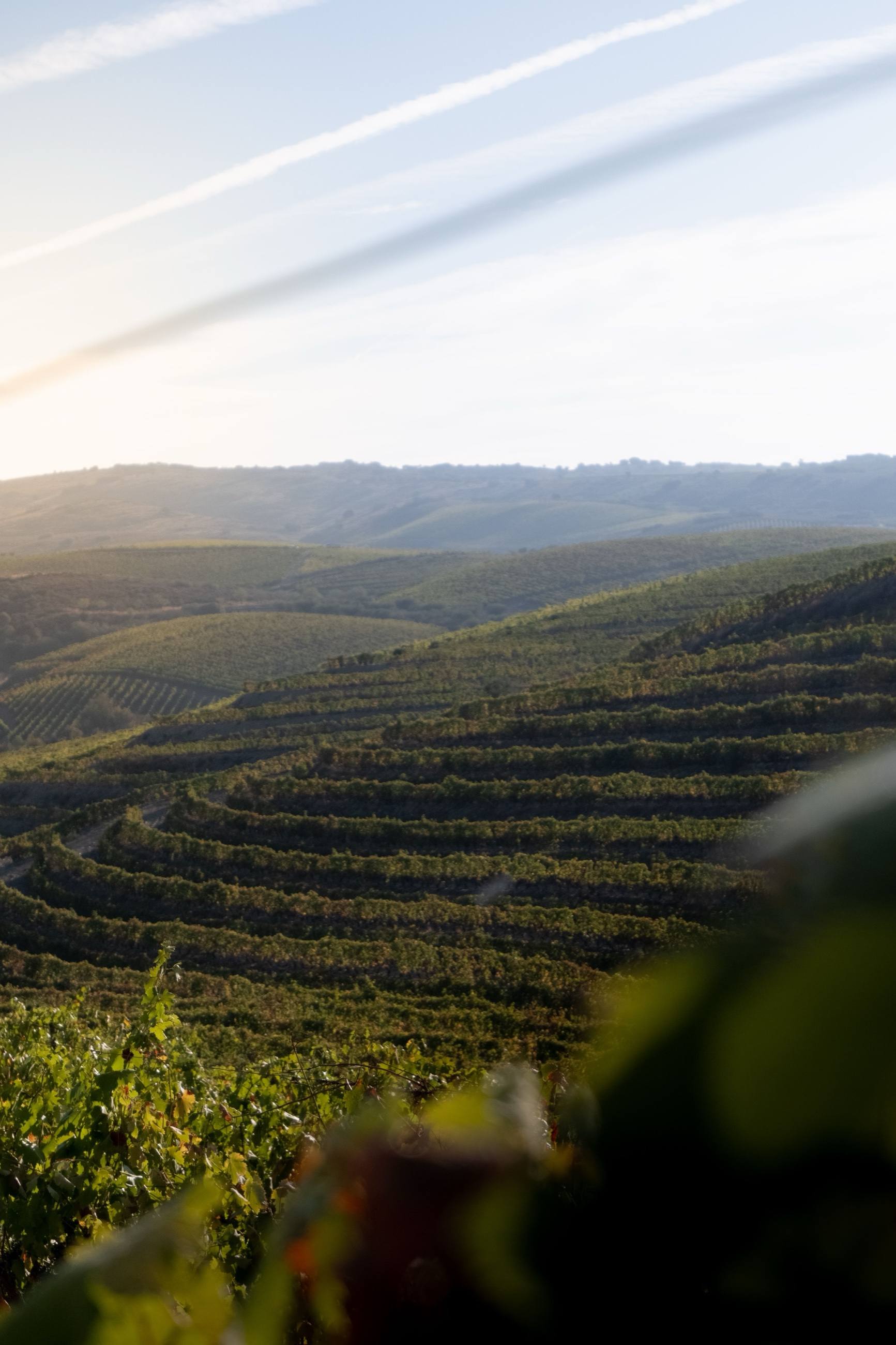
Yes, if you like landscapes, wine or both. The terraced slopes between Régua and Pinhão were the first wine region in the world to be demarcated, in 1756, and have been a UNESCO World Heritage site since 2001.
Can you do the Douro Valley as a day trip from Porto?
Yes. Most visitors do, on a tour, by car or by train. A day trip gives you two quintas, lunch and a boat ride at most. If you want the light late in the day or more than two tastings, stay one night in Pinhão or on a quinta.
Can I visit the Douro Valley without a car?
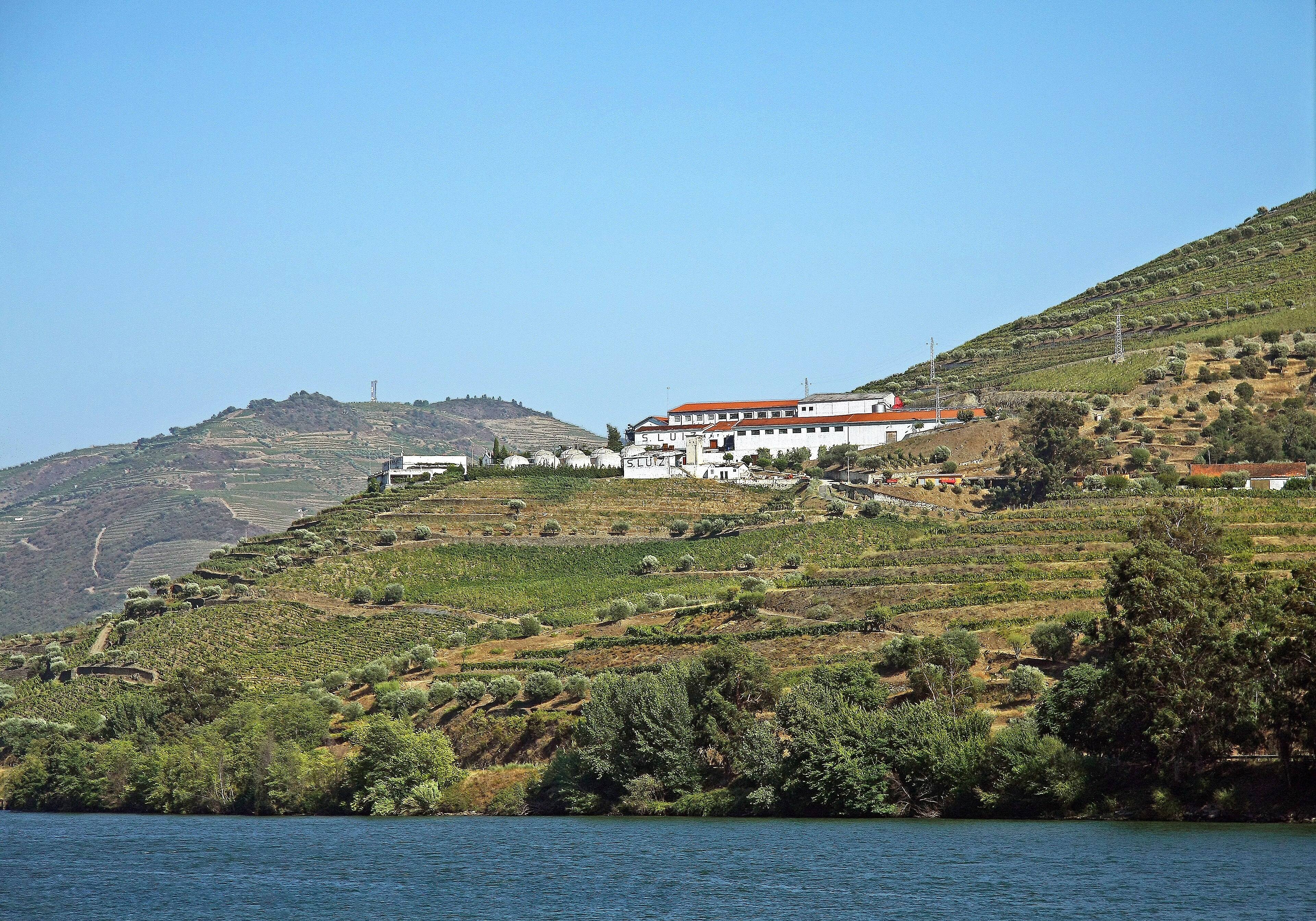
Yes. Take the train to Pinhão, walk to the quintas next to the station (Bomfim, La Rosa, Roêda, and Carvalhas across the bridge), take a rabelo boat from the quay and come back by train.
Is it worth visiting if I don’t drink wine?
Yes. The views, the boats, the train along the river and the viewpoints need no wine at all, and many quintas offer visits without a tasting, or olive oil instead. Tell the tour or the quinta when you book.
When is the best time to visit the Douro Valley?
Late May to early June and late September to October. July and August are hot: Régua averages 20.1 days above 30 °C in July and 22.3 in August (IPMA). The harvest runs from mid-September to early October and is the hardest time to book.
 01 · Best for a first visit
 02 · Best for wine lovers
 03 · Best without a tour
 01 · Best value on the river
 02 · Best if the boat is the day
 03 · Best for a slow week